Tucked away in the Western Ghats of Karnataka, Coorg—also known as Kodagu—is a lush green haven that feels like a world away from the chaos of city life. I had always heard of Coorg’s natural beauty, but witnessing it in person was something else entirely. As I made my way through winding mountain roads, flanked by coffee plantations and mist-kissed hills, I felt a deep sense of calm wash over me. The air smelled of rain, earth, and roasted coffee—a combination that immediately told me I was somewhere truly special.

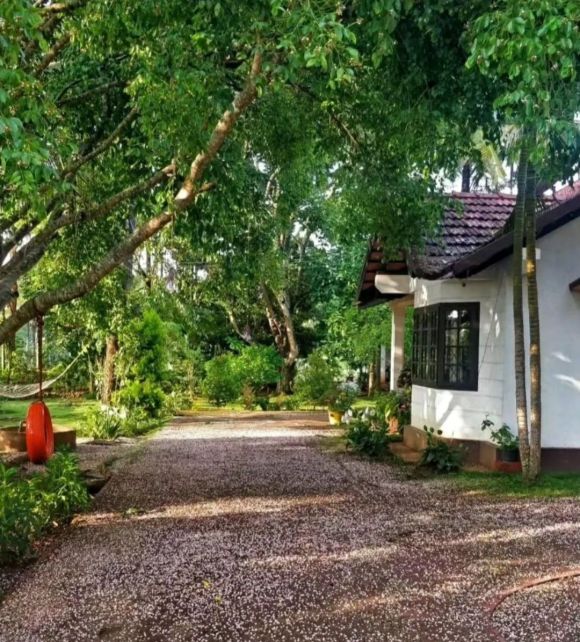
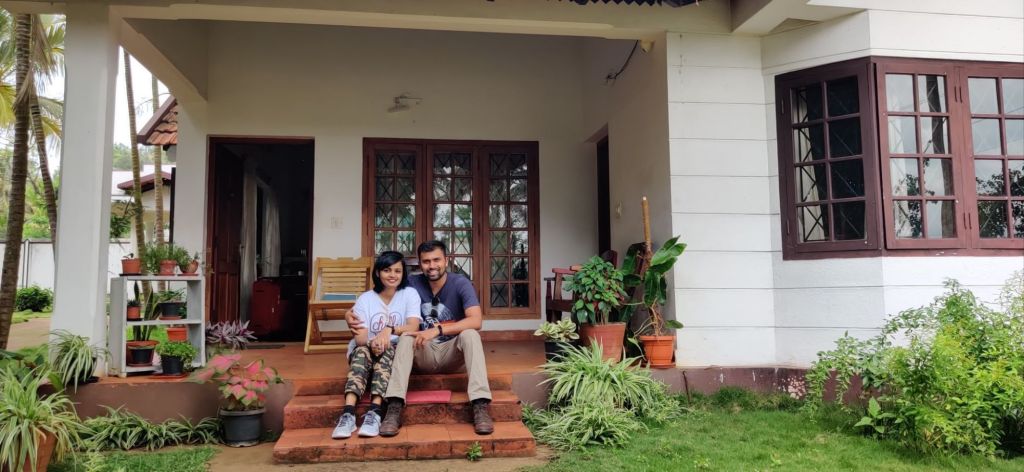
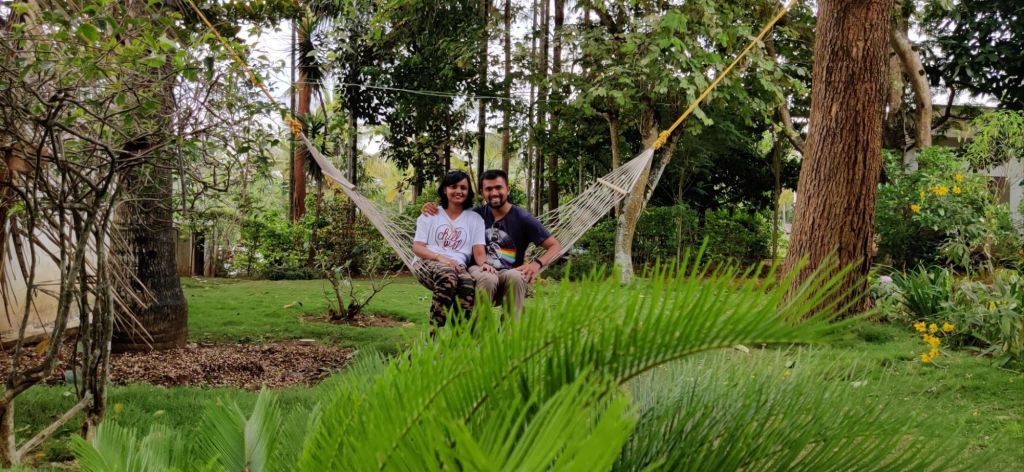
I chose to stay in a cozy homestay nestled within a coffee estate, and it turned out to be one of the best decisions of the trip. Waking up to the sound of chirping birds and a cool breeze rustling through the trees was the perfect way to start each day. My hosts were incredibly warm and welcoming, offering home-cooked Kodava meals and stories about their land and traditions. The slow pace of life here encourages you to truly unwind—something I hadn’t realized I needed so much.
Exploring Coorg’s Marvels
Abbey Falls – A Symphony of Water and Wilderness
Tucked away amidst thick coffee plantations and spice estates, Abbey Falls is one of Coorg’s most iconic natural attractions—and rightfully so. As I made my way down the short trail leading to the falls, the path itself felt like a journey into the heart of the forest, surrounded by lush greenery, the scent of cardamom and wildflowers lingering in the air. The sound of gushing water grew louder with every step, until finally, the view opened up to reveal a spectacular cascade plunging down rocky cliffs into a frothy pool below.
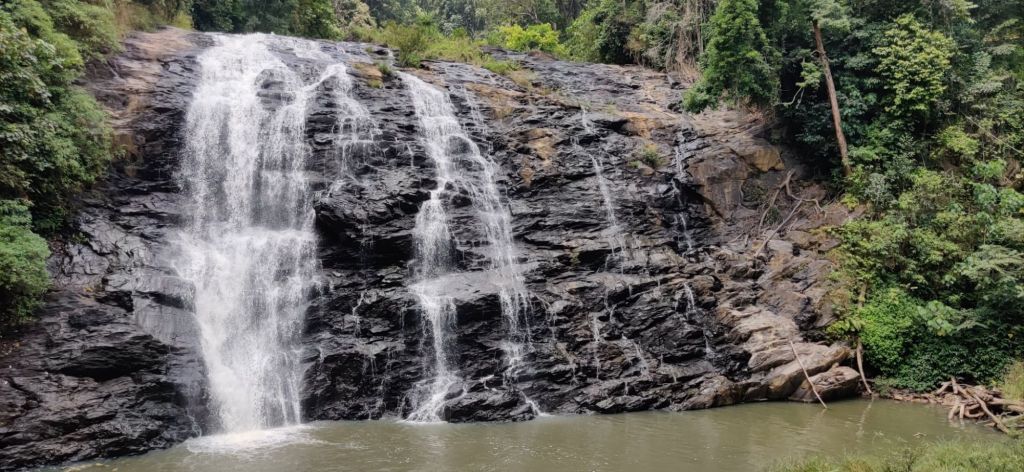
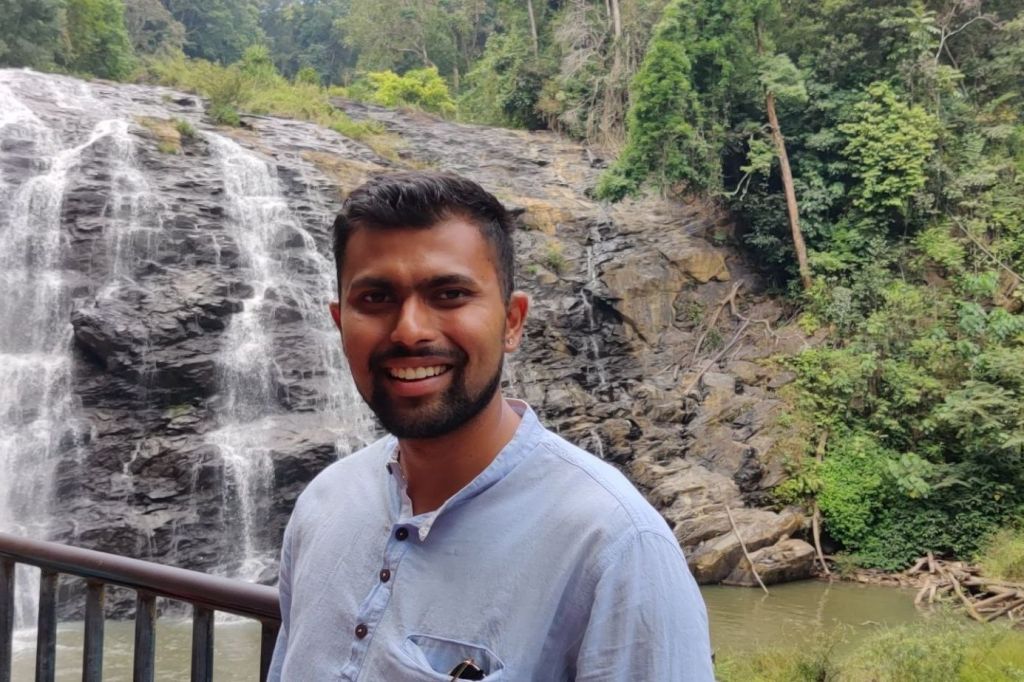
The contrast between the white, roaring water and the deep green foliage was simply breathtaking. Though swimming is not allowed, the viewing bridge offered a perfect vantage point to take in the grandeur and snap a few photos.
Madikeri Fort – Echoes of History in Stone
Standing tall in the heart of Coorg’s main town, Madikeri Fort is a fascinating blend of history, architecture, and local legacy. Originally built in the 17th century by Mudduraja, the fort has undergone several reconstructions—most notably by Tipu Sultan, who added Islamic-style bastions, and later by the British, who contributed colonial elements.
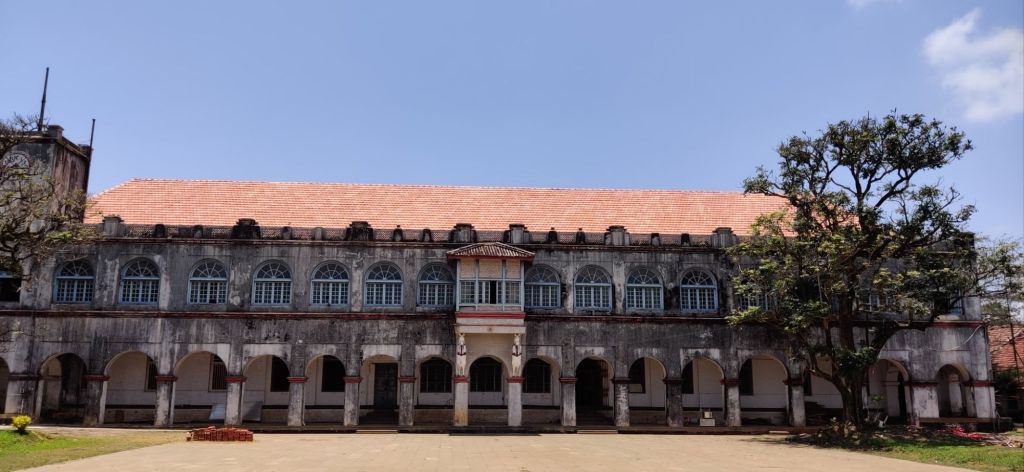
As I walked through its ancient gates, the weathered laterite walls seemed to whisper stories from centuries past. A small museum within the fort showcases artifacts, weaponry, and old photographs that offer insight into Coorg’s cultural heritage.
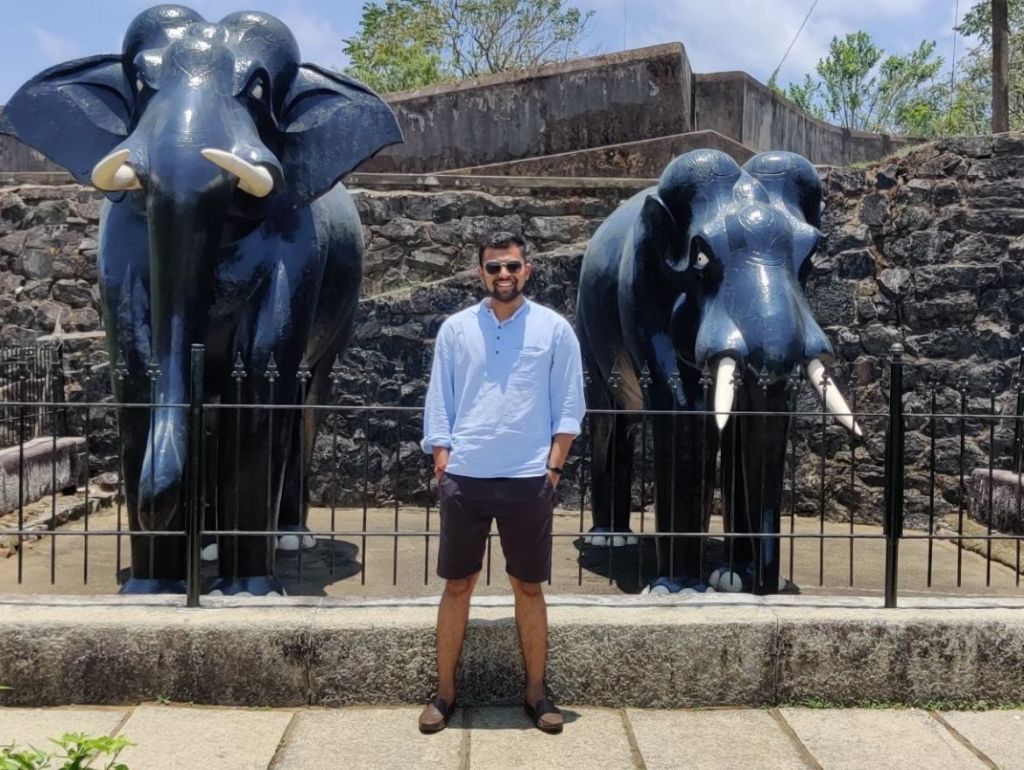
What makes the fort even more intriguing is its location—perched slightly above town, it offers panoramic views of Madikeri’s undulating landscape. With its mix of historical significance and quiet charm, Madikeri Fort is a must-visit for anyone curious about Coorg’s regal past.
Raja’s Seat – Where Kings Watched the Sunset
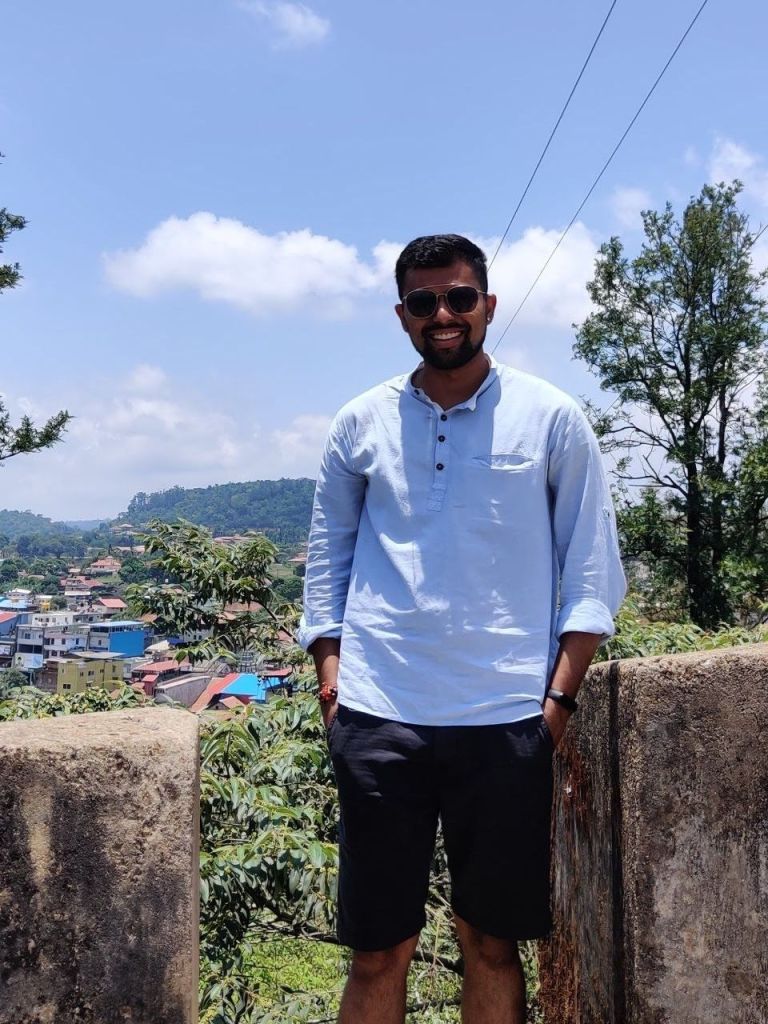
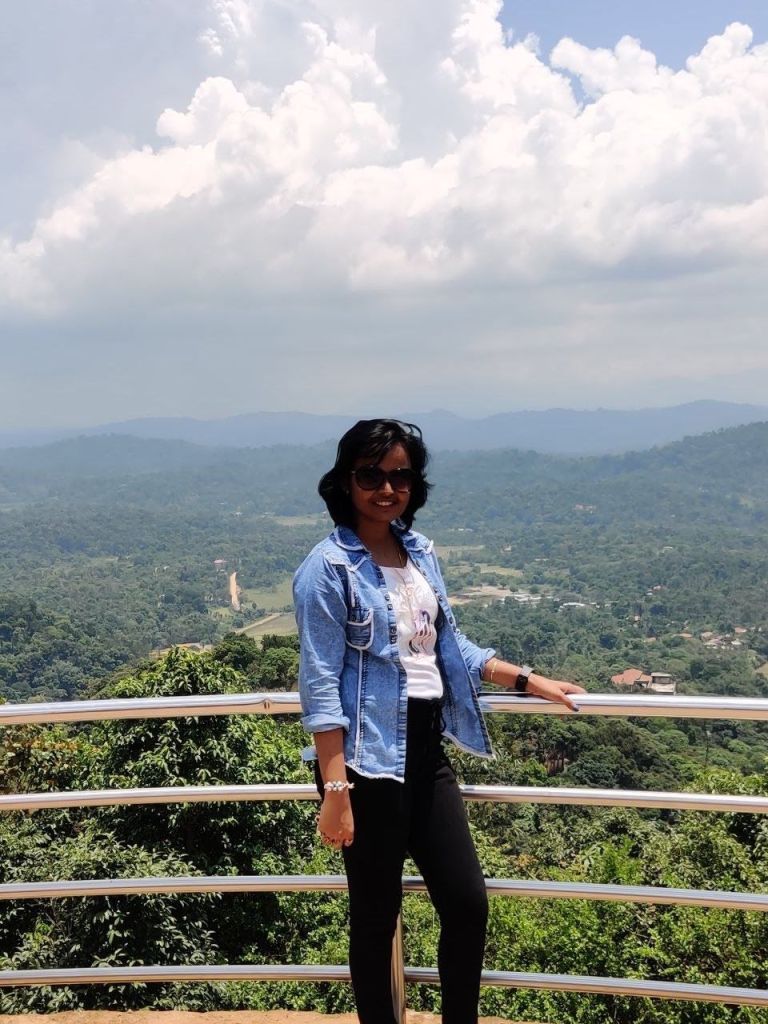
Perched on a high ridge overlooking the lush valleys of Madikeri, Raja’s Seat is one of the most serene and scenic spots in all of Coorg. Historically, this beautiful garden was a favorite retreat of the Kodava kings, who would come here to relax and watch the sun dip below the hills—a daily ritual that gave the place its name. Today, visitors flock to Raja’s Seat for the same reason: the mesmerizing views and soul-soothing atmosphere. The view at sunset is nothing short of magical—the sky slowly turns shades of gold, orange, and deep purple as the sun melts behind the distant mountains, casting a soft glow over the valley and the rolling coffee estates below.
Wandering Through Coffee Plantations – Nature’s Aromatic Embrace
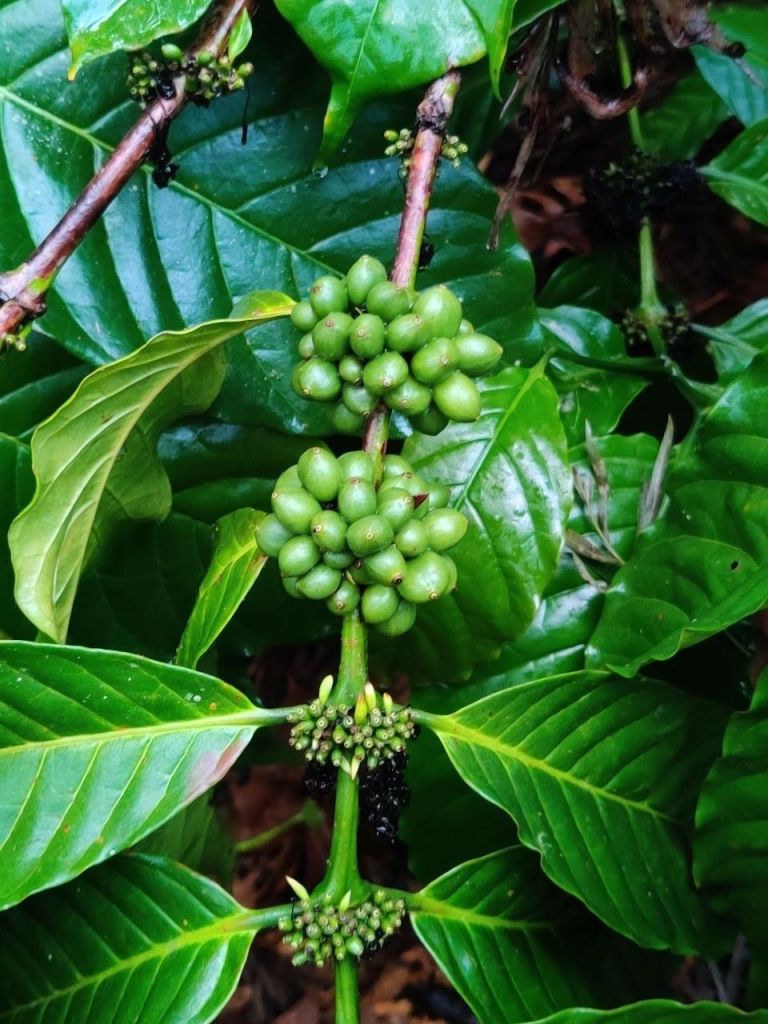
One of the highlights of my Coorg trip was getting a private tour from the owner of a local coffee estate, an experience that went far beyond the typical tourist trail. Walking through the plantation with someone whose family had nurtured the land for generations brought a deep sense of connection to the place. As we meandered through rows of coffee plants shaded by tall trees, he shared fascinating insights about the delicate process of growing Arabica and Robusta beans, the timing of the harvest, and the age-old methods of drying and roasting. I got to see pepper vines climbing the trees, cardamom plants nestled at the base, and even learned how intercropping helps maintain the ecosystem.
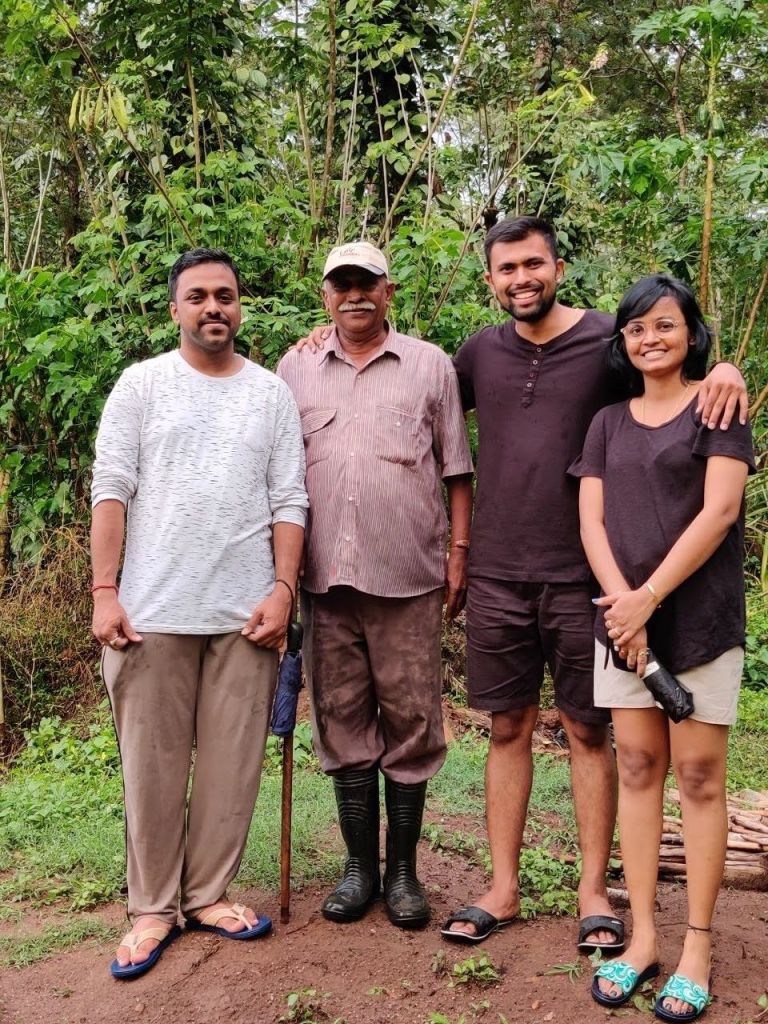
What made the experience even more special were the personal stories—tales of monsoon challenges, the aroma of first harvests, and the pride of exporting beans across the globe. It wasn’t just a coffee tour—it was a soulful conversation over shared passion and heritage, and one I’ll always remember.
Namdroling Monastery – A Slice of Tibet in Coorg
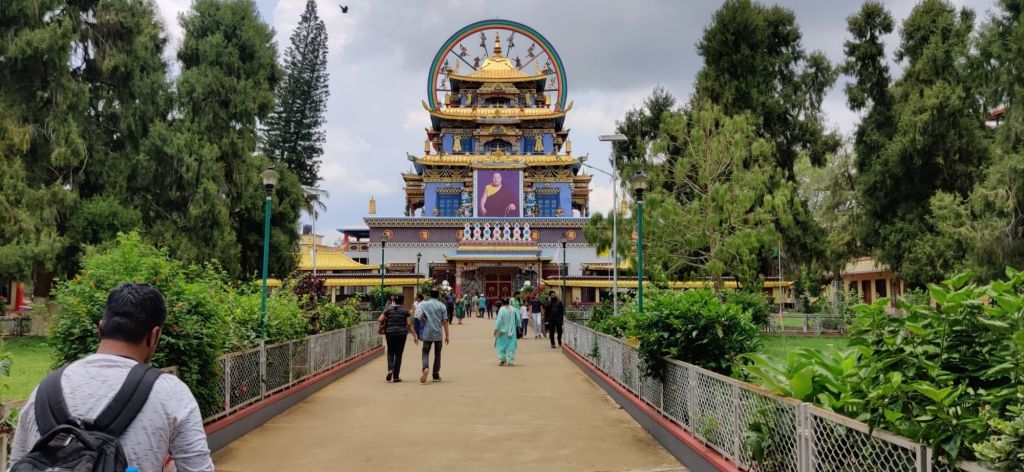
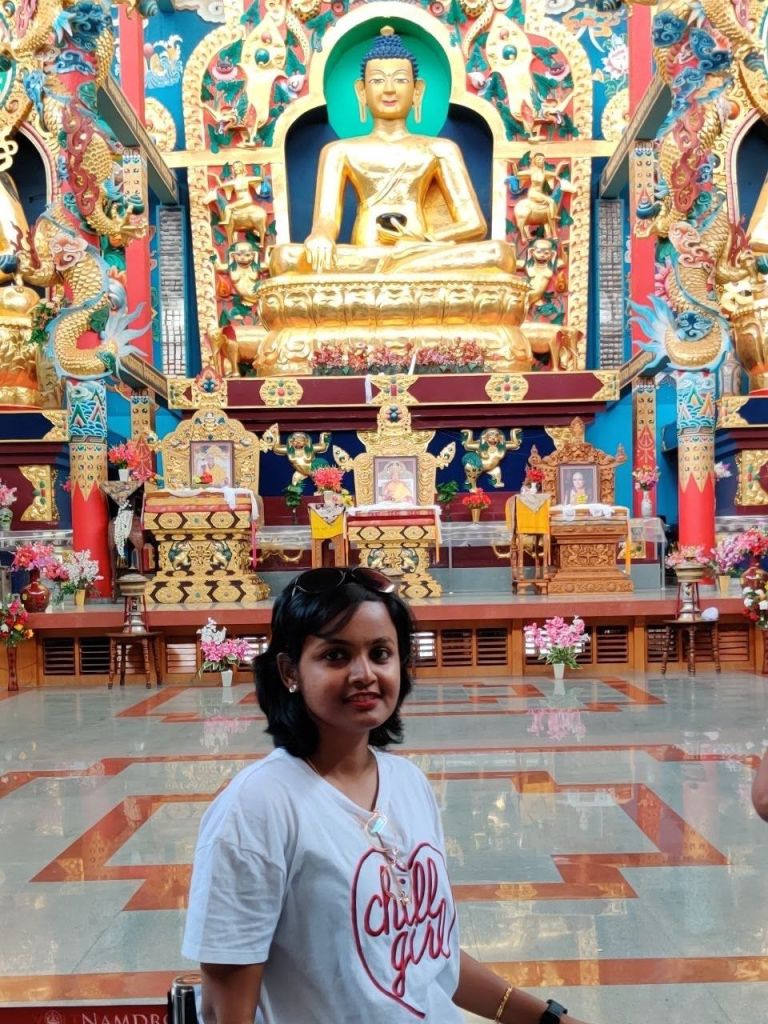
A short drive from Coorg’s lush hills leads to a completely different world—Namdroling Monastery, also known as the Golden Temple, located in Bylakuppe. As I entered the Tibetan settlement, the scent of incense and the sound of distant chanting instantly created a sense of calm. The monastery, one of the largest teaching centers of the Nyingma lineage of Tibetan Buddhism outside of Tibet, is nothing short of awe-inspiring. Its golden roofs gleam under the sun, and the intricately painted walls are alive with vibrant murals depicting Buddhist deities, symbols, and mythological stories. Inside the main prayer hall, I was stunned by the sight of three towering golden Buddha statues.
Despite being a popular tourist spot, the monastery retains a sacred stillness, making it a perfect place for reflection. Walking around the prayer wheels, spinning each one slowly while soaking in the tranquil atmosphere, felt like a spiritual cleansing. Namdroling isn’t just a monastery—it’s an experience of Tibetan culture, faith, and inner peace, tucked away in the heart of Karnataka.
Coorg isn’t a place you visit just to check off a list—it’s a place you feel. From its misty mornings to its starry nights, every moment here reminded me of the beauty of slowing down.
Whether you’re a nature lover, a foodie, or someone simply looking to breathe a little deeper, Coorg welcomes you with open arms and leaves you with memories that linger long after you’ve returned home. I left with a full heart, a rested soul, and a promise to return.
 Roadtrippin' with Sagar