A trip to Delhi is never complete without experiencing its deep-rooted connection with India’s past and present. Among all the landmarks that dot the capital, Rashtrapati Bhavan — the official residence of the President of India — stands out not just for its majestic architecture, but also for the aura of dignity and legacy that surrounds it. Visiting this iconic building was a dream come true for me.
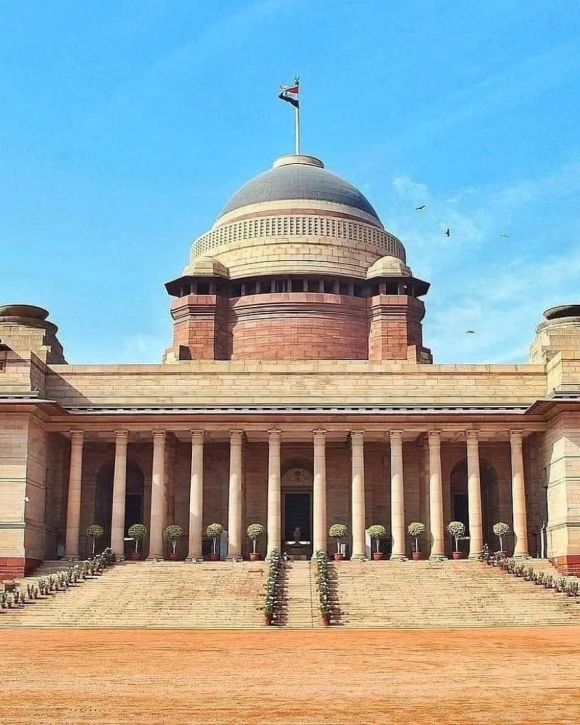
The moment I reached Raisina Hill, the sight of Rashtrapati Bhavan left me speechless. With its massive domes, wide forecourts, and regal gates, it felt like stepping into a different era.Designed by British architect Sir Edwin Lutyens, the building is a perfect blend of Western and Indian styles, symbolizing the transition from colonial rule to a proud republic.
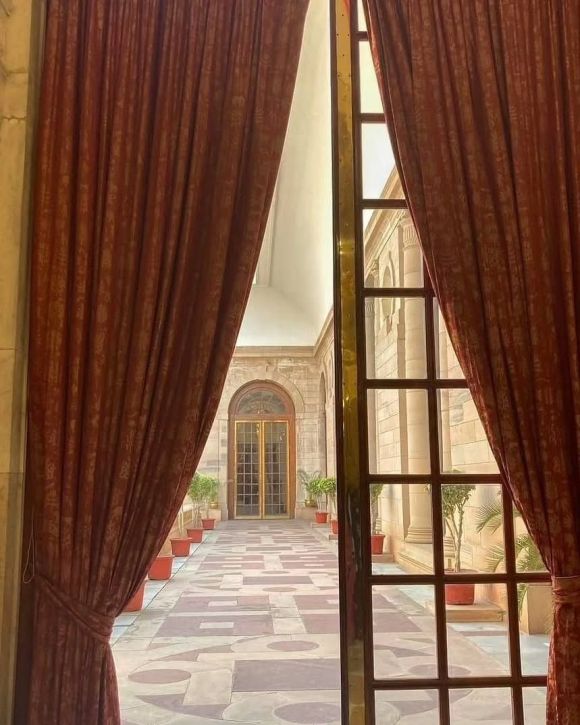
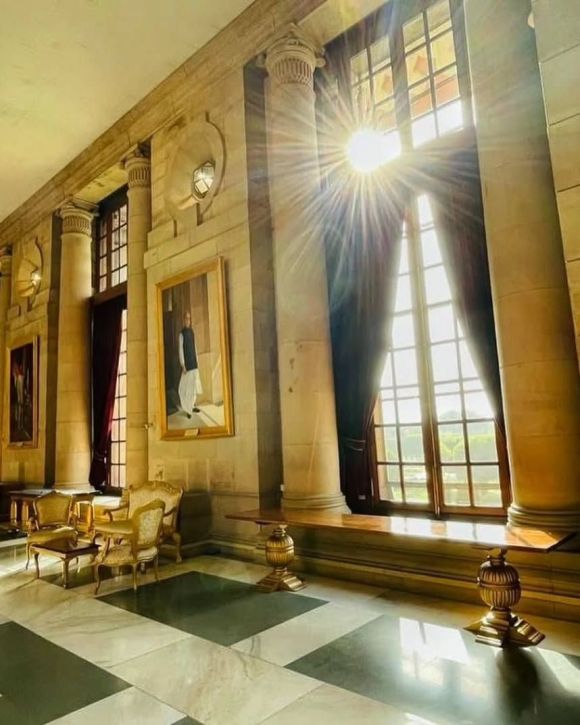
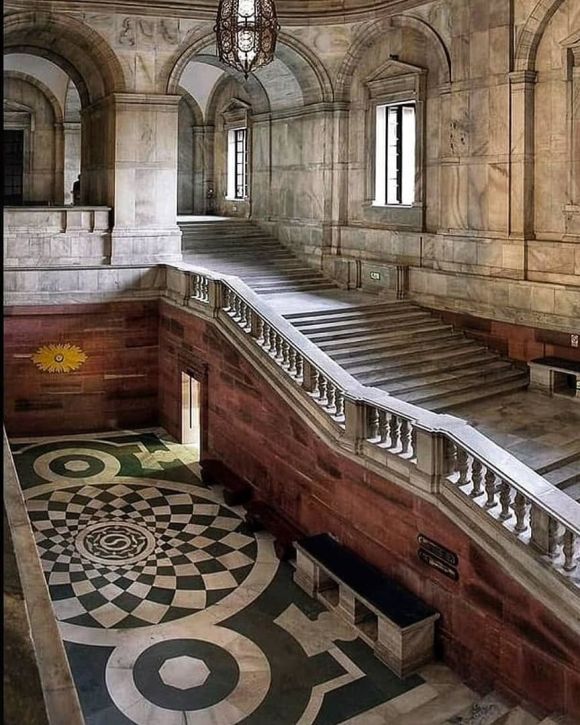
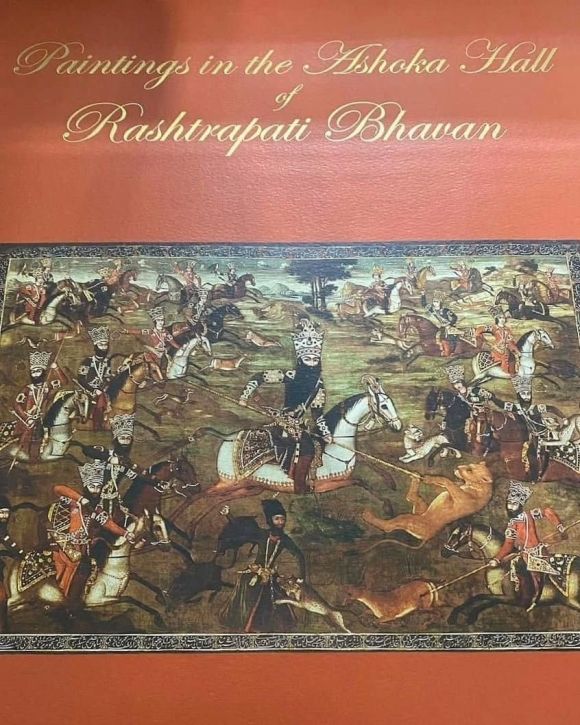
I had booked a guided tour in advance through the official website, which made the whole process smooth. The tour took us through several important sections — from the Durbar Hall, with its high ceilings and ceremonial ambiance, to the Ashoka Hall, which was once a ballroom and now serves as a venue for official functions. The intricate artwork, royal chandeliers, and beautifully polished floors made me feel like I was inside a palace.
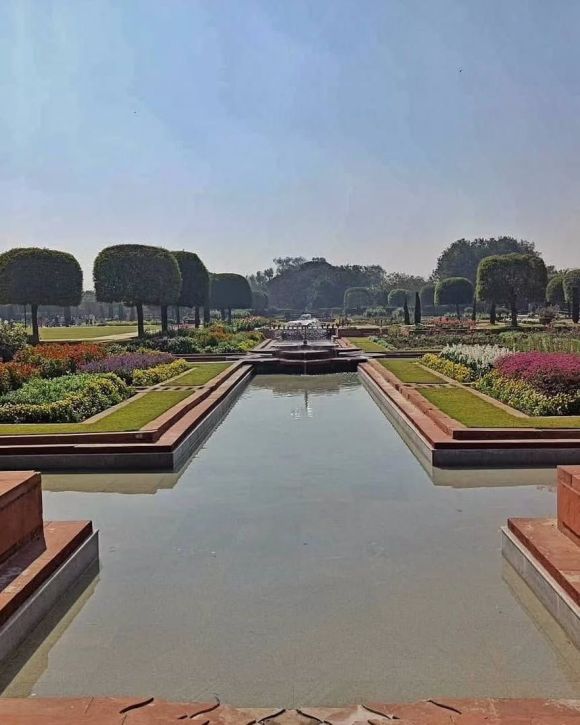
One of the highlights was the Mughal Gardens, which are open to the public during certain months. The gardens were a riot of colors — roses, tulips, bougainvillea — all arranged in symmetrical patterns. Walking through them was peaceful and refreshing, with fountains adding a soft soundtrack to the serene environment.
What struck me the most was how the Rashtrapati Bhavan isn’t just an architectural marvel — it’s also a living symbol of India’s democracy. This is the place where decisions of national importance are signed, where foreign dignitaries are received, and where the nation’s top leader resides.
The staff were incredibly polite and knowledgeable, sharing little anecdotes about the building, the presidents who have lived there, and how traditions have evolved over time.
As I stood at the edge of the forecourt and looked up at the massive dome glowing in the afternoon light, I felt a strange mix of pride and humility. To be in the presence of such a powerful symbol of Indian governance — yet surrounded by so much beauty — was a surreal experience.
My visit to Rashtrapati Bhavan was more than a sightseeing trip. It was a journey through India’s history, its resilience, and its identity as the world’s largest democracy. If you ever get a chance, I highly recommend you explore this magnificent place — not just to admire its beauty, but to connect with the spirit of India.

 Roadtrippin' with Sagar